


Non-Surgical Relief with Pain Management

Living with back pain, neck pain, or joint pain that isn’t responding to initial care can affect every part of your day, from sleep to work to the activities you enjoy. Our pain management clinic in Calgary offers a comprehensive assessment to identify the factors driving your pain and to build a clear plan to address it. 

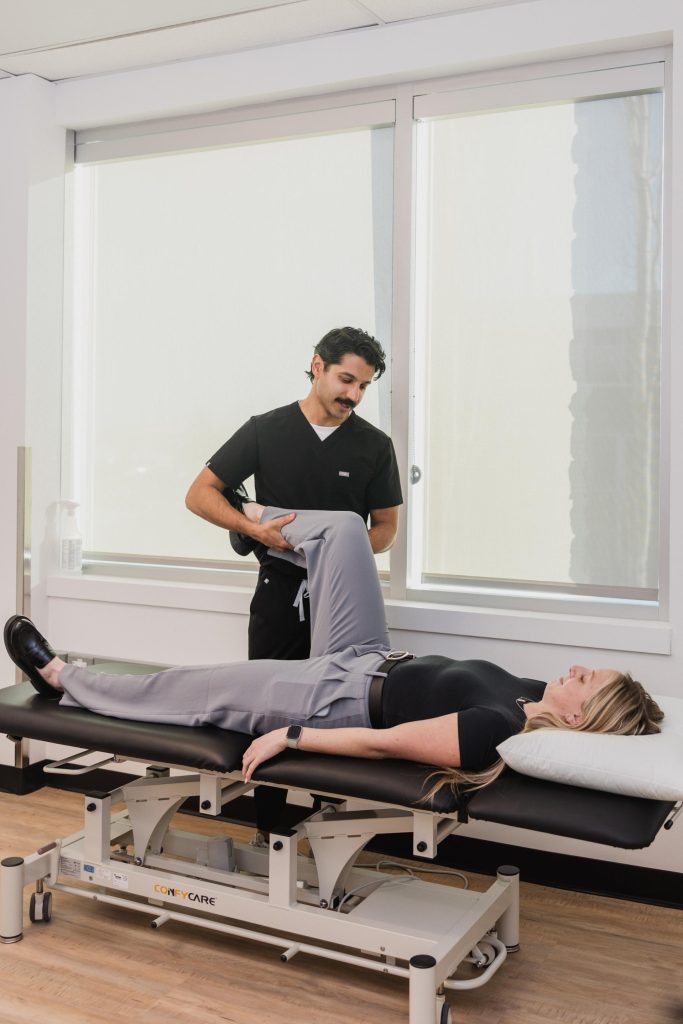
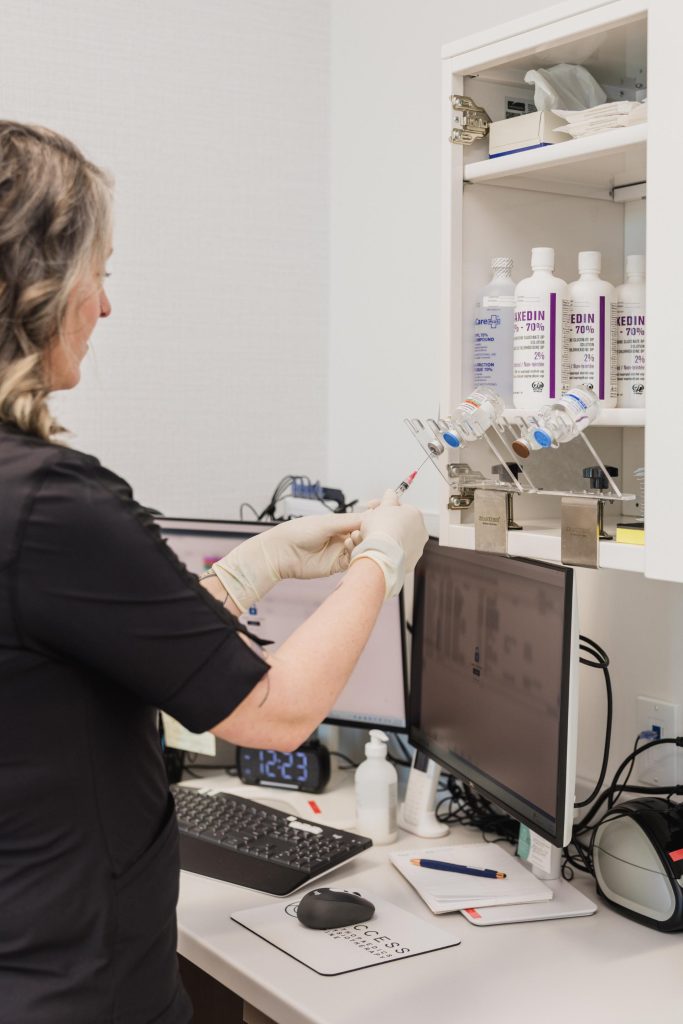
Depending on your condition, treatment may include interventional pain procedures such as joint injections, nerve blocks, corticosteroid injections, or platelet-rich plasma (PRP) therapy, alongside rehabilitation and physiotherapy support. 

Our pain specialists work closely with orthopaedic surgeons, physiatrists, and physiotherapists to coordinate your care and determine the most appropriate treatment plan.

Services We Offer

Conditions We Treat

Spine

Meet Your Pain Specialists

Our pain specialists diagnose and manage a broad range of acute and chronic pain conditions.

What to Expect

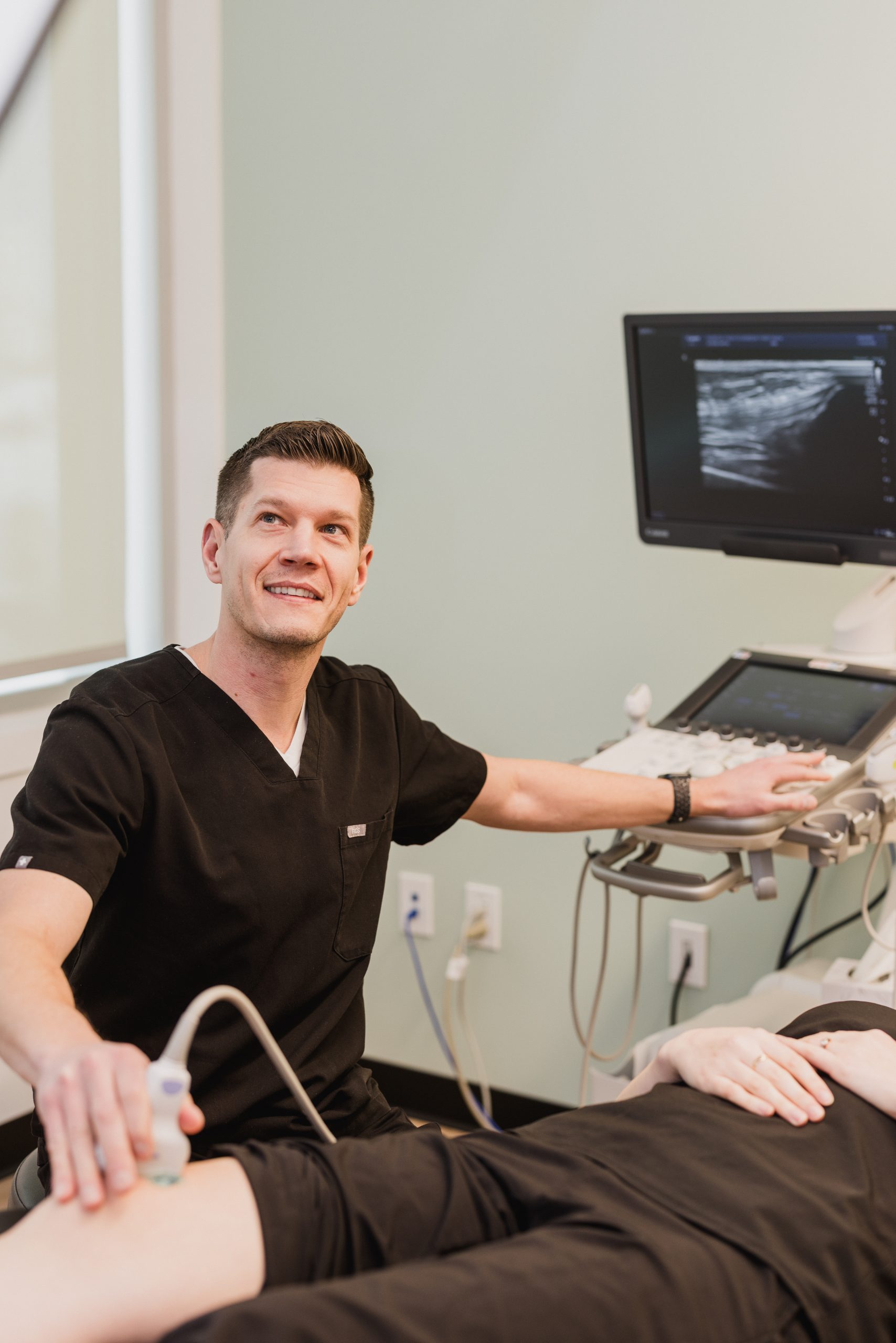
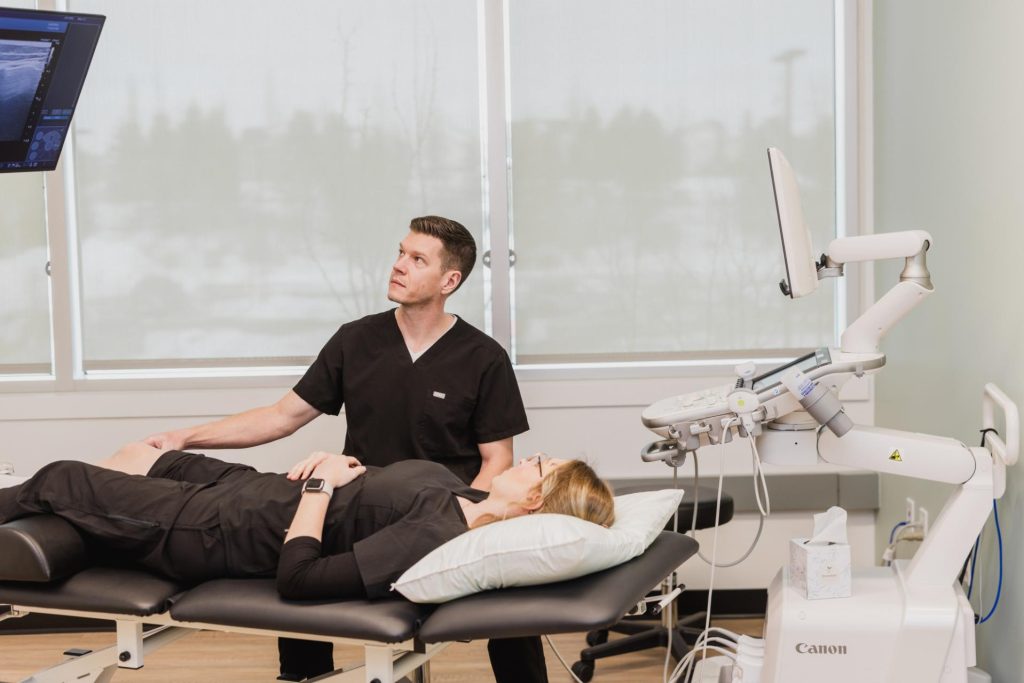
At your consultation, your pain specialist will review your medical history, discuss the nature and impact of your pain, and conduct a physical examination. On-site diagnostic imaging is available as needed to support the clinical picture. 

Based on your assessment, your specialist will explain their findings and discuss appropriate treatment options, which may include interventional pain procedures, rehabilitation, physiotherapy, or a coordinated combination of treatments. 

Your specialist will answer your questions and work with you to develop a plan focused on reducing pain and supporting your return to daily activities. 

Please note: A referral is required to consult with one of our pain specialists.

Connected Care for Better Movement

Referrals Specialized Assessment Comprehensive Treatment Plan Connected Care Financial Coverage

Referrals

We welcome referrals from physiotherapists, chiropractors, and physicians with a valid practitioner ID.

Please note that a referral is required to consult with one of our pain specialists. We are unable to accept WCB referrals.

Specialized Assessment

Our multidisciplinary team works collaboratively to identify the underlying source of each patient's pain. Our goal is to understand not just where you hurt, but why you hurt.

Comprehensive Treatment Plan

Our care team develops and coordinates a comprehensive treatment plan tailored to your individual needs, injuries, and symptoms.

From referral to discharge, we provide the support for a successful recovery.

Connected Care

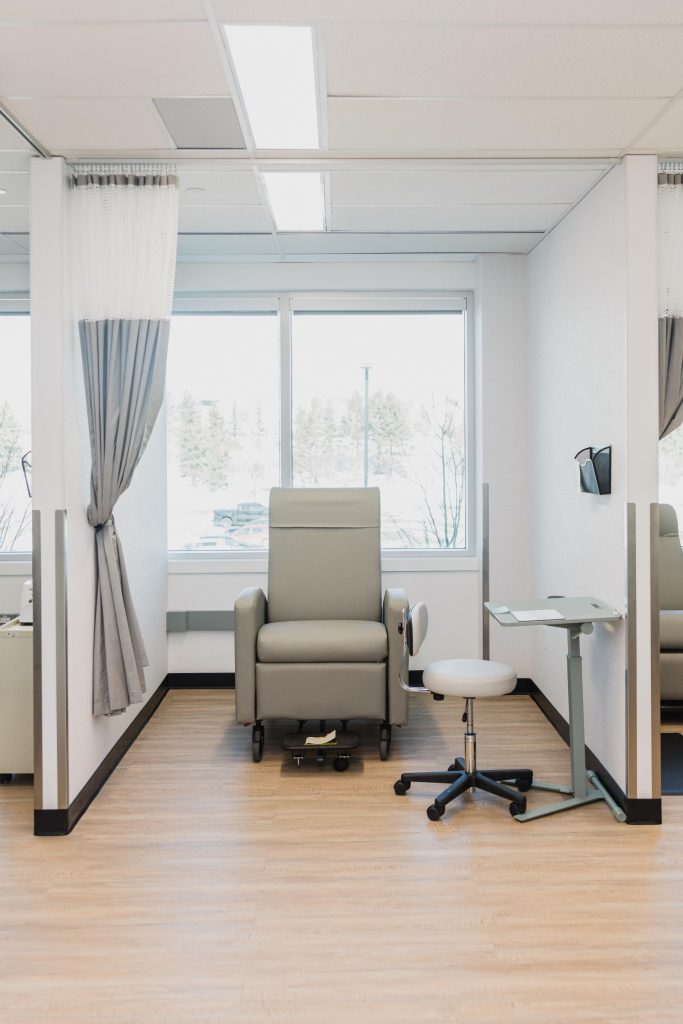
Assessments, x-rays, physiotherapy, pain management, surgical coordination and other allied services are all available at Access Orthopaedics, making it easy to access care all under one roof.

Financial Coverage

Pain management consultations are covered with a valid Alberta Health Care Card. Services that fall outside Alberta Health coverage, along with care for patients without valid Alberta health coverage, are paid out of pocket. Our team will confirm any costs with you before your appointment.

Please note that we do not offer direct billing.

Frequently Asked Questions

Do I need a referral to access pain management services at Access Orthopaedics?

Yes. A referral from a physician, physiotherapist, or chiropractor with a valid practitioner ID is required. Once received, our team will contact you to book your consultation. Please note that we are unable to accept WCB referrals. 

Pain management consultations at Access Orthopaedics are covered with a valid Alberta Health Care Card. Some interventional procedures fall outside Alberta Health coverage and are paid out of pocket, as is care for patients without valid Alberta health coverage. We do not offer direct billing. Our team will confirm any costs with you when booking your appointment. 

Interventional pain management refers to minimally invasive procedures used to diagnose or treat pain at its source, which may include joint injections, nerve blocks, corticosteroid injections, or PRP therapy, depending on your condition.
Acute pain typically follows an injury or illness and resolves as the body heals. Chronic pain persists beyond the expected recovery period, often three months or more, and may need a more coordinated treatment approach.
Not necessarily. Many pain conditions can be managed through non-surgical approaches, including interventional procedures, physiotherapy, and rehabilitation. Surgical options are only considered after conservative care has been explored.
Results vary depending on your condition and treatment approach. Some patients notice improvement after a single procedure, while others benefit from an ongoing rehabilitation and pain management program.